2. Implementation of Diverse and Innovative Teaching Practices
The university promoted cross-disciplinary learning and teaching innovation by reducing professional credits and requiring day program undergraduate students to complete at least nine cross-disciplinary credits before graduation starting in the 2024 Academic Year. Since then, the number of students completing cross-disciplinary courses has increased annually. In addition, to further advance the goal of strengthening cross-disciplinary learning and aligning with industry, the university actively developed academia-industry collaboration credit programs. In the 2025 Academic Year, the university established the King Yuan Electronics Semiconductor Industry Credit Program, integrating industry professional courses and practical experience to enhance students’ competitiveness.
The university improved its teaching assistant training and teaching-hour verification mechanisms, encouraged cross-department mixed-class course offerings and resource sharing, and enhanced course diversity. Teaching incentive systems were refined by rewarding outstanding courses based on teaching evaluations and including teaching innovation achievements in flexible compensation review to motivate innovative instructional practices. A diversified promotion mechanism was established to encourage faculty to publish teaching research results as references for promotion and practice. The university improved the teaching environment and facilities, established smart classrooms, and supported digital and AI course instruction to promote innovative teaching practices.
Through themed workshop series, the university promoted instructional research, experiential learning, hands-on practice, and problem-based training, and subsidized faculty in conducting teaching innovation practicums to strengthen instructional practice and quality. In 2024 to 2025, a total of 13 faculty members participated, and more than 85 percent of participating faculty in 2024 applied for the 2025 Teaching Practice Research Project. Guidance was provided to assist faculty in applying for Teaching Practice Research Projects. In 2024 to 2025, of the 29 faculty members with single submissions, 14 were approved, including five who received funding for two consecutive years.
The university advanced college-specific teaching highlights projects by providing resources and faculty training to promote the development of information, STEAM, and humanities education, which in turn allowed for the strengthening of students’ cross-disciplinary abilities, problem-solving skills, and critical thinking. Additionally, students were actively encouraged and guided to participate in domestic and international competitions, achieving numerous major awards. For example, in the field of electrical engineering and applied sciences, students from the Department of Electrical Engineering won the gold medal in “AI CUP 2024,” Ministry of Education’s National Intercollegiate Artificial Intelligence Competition. Additional records of related competition achievements are available on the university website: https://pse.is/8ccaqy
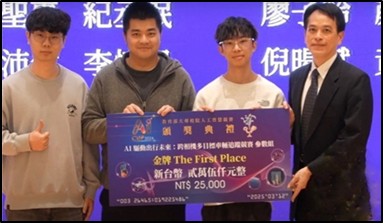
Figure 2: Gold Medal in AI CUP 2024, Ministry of Education’s National Intercollegiate Artificial Intelligence Competition.
In the field of humanities and social sciences, students from the Department of Architecture received the top prize at the 2025 World Stage Design (WSD) exhibition in Sharjah, United Arab Emirates. More details can be found on the university’s website: https://reurl.cc/NNpN86
3. Strengthening Autonomous and Interdisciplinary Learning
The university promoted student autonomous learning communities based on the concepts of refinement, innovation, and practical application, encouraging students to engage in diverse learning activities outside the classroom. In the 2025 Academic Year, a total of 11 groups were established. In addition to undergraduate and master’s-level students conducting cross-departmental and cross-disciplinary learning and research, notably, the university’s first cohort of Third Act University students (senior learners) also actively participated.
In the 2025 Academic Year, four faculty members were assisted in offering courses on the NTHU MOOCs platform and the Ministry of Education’s MOOCs platform. Among them, three courses – “Advanced Component Process Integration,” “International Marketing,” and “Climate Change and Taiwan’s Water Resources” – have already been launched on the platforms and continue to be available for selection by students both inside and outside the university. From the 2024 to 2025 Academic Years, a cumulative total of 386, 393, and 269 students enrolled in these courses, respectively. Additionally, three courses – “Future Modules: Sustainable Construction and Generative AI Design,” “Information and Media Literacy,” and “Long-Term Energy Storage – Flow Battery Energy Storage Technology” – are currently under production.
The university has planned 2-credit general education electives and 9-credit cross-disciplinary courses, creating an 11-credit space for student self-directed planning. This supports students in pursuing cross-disciplinary learning according to their individual autonomous learning plans, including general education electives, minors, double majors, and credit programs. A cross-disciplinary and autonomous learning advisory mechanism has been established to guide students in developing learning plans and gradually implementing cross-disciplinary and autonomous learning. Additionally, autonomous learning courses may be credited up to 2 credits toward general education courses, further encouraging diverse learning experiences.
Through regulations related to bachelor’s degrees, domain expertise, MOOC course participation, and exploratory credits, the university provides students with multiple pathways for cross-disciplinary and autonomous learning.
UCAN assessment results are used as objective indicators of autonomous learning ability, with pre- and post-test analyses conducted to improve programs. Relevant sections in course syllabi related to autonomous learning are analyzed in conjunction with UCAN data to evaluate course design and learning outcomes. Graduate tracking and career linkage are strengthened to assess the impact of autonomous learning on employment and lifelong learning. A diversified set of indicators has been established: in addition to the aforementioned assessments, the effectiveness of autonomous learning is comprehensively evaluated, including learning outcomes, attitudes, and learning strategies. Qualitative assessment methods, such as student interviews and focus groups, are also employed to understand students’ experiences, perceptions, and reflections during the autonomous learning process.
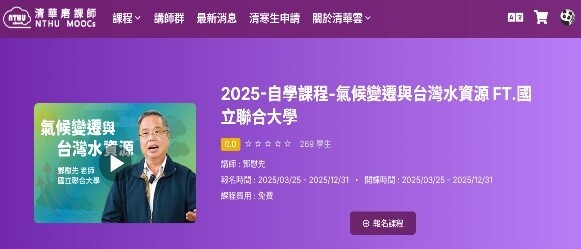
Figure 3: Course Page of “Climate Change and Taiwan’s Water Resources” on the NTHU MOOCs Platform
4. Enhancing International Mobility and Global Integration
The university actively expanded its network of sister institutions by visiting multiple potential partner schools, signing and updating Memoranda of Understanding (MOUs) and cooperation agreements, and strengthening relationships with existing sister institutions to promote faculty and student exchange programs and enhance international exchange and academic cooperation.
Through a buddy system, academic advising, and Chinese-language courses, the university assisted international students in integrating into campus life and successfully completing their studies, while proactively increasing the number of students enrolled in dual-degree programs.
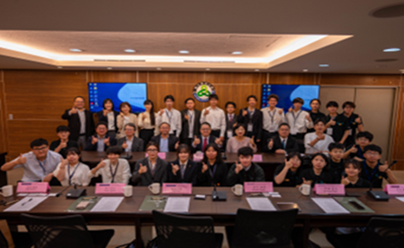
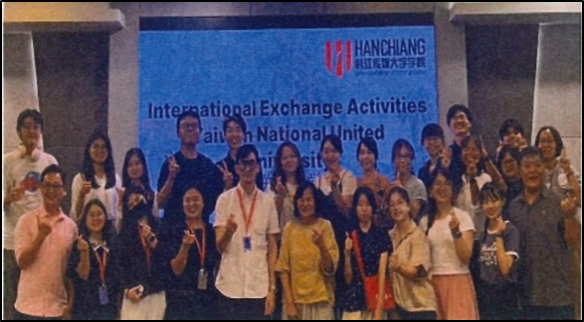
The faculty and students were encouraged to participate in off-campus teaching activities, including cultural visits, international academic conferences, and special lectures. Before students traveled abroad, the university provided comprehensive support systems, including professional training from the World Youth Volunteer Association to enhance cross-cultural adaptability, as well as offering relevant language courses and supporting students in the participation of online language learning.
 |
 |
| Figure 4: Internship Visit from the Japanese Sister University in 2025. |
Figure 5: Visit to Malaysia and exchanges with Han Chiang University College of Communication in 2025. |
[Fulfilling Social Responsibility]
1. Collaborating with Local Communities
Two community outreach and counseling services were carried out, assisting with the development and sales of local cultural products, participating in or co-organizing community events, and conducting summer workshops. These efforts promoted the revitalization of community culture and contributed to local sustainable development.
Two original craft lectures and workshops were held, including a woven lanyard bracelet workshop and an Atayal beaded accessories workshop. Through the professional guidance of Indigenous craft instructors, students gained an in-depth understanding of the cultural value and contemporary development of Indigenous crafts. By integrating lectures with hands-on activities, the workshops cultivated students’ respect for traditional craftsmanship and encouraged innovative thinking, enhancing their understanding of cultural heritage and brand innovation while stimulating their potential in cultural creativity and design (see Figure 6).
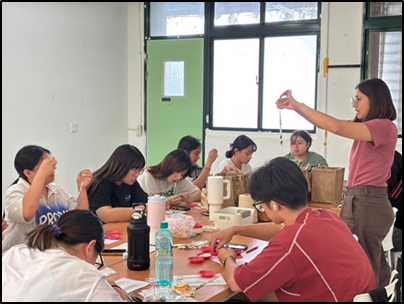
Figure 6: Atayal Beaded Accessories Workshop
2. Deepening Social Innovation
One maker workshop was held. Due to an approaching typhoon, pomelos were harvested earlier than the usual schedule this time. To avoid agricultural waste, fruit peels were used to make natural soap. Through hands-on practice, the workshop incorporated sustainability concepts into everyday life.
Since 2015, the university has promoted the “Miaoli Youth Returning Workshop,” integrating local agriculture, specialty products, humanities, communities, and commercial district issues to encourage young people to propose business plans, promotional videos, and product development ideas. Over the past 11 years, the program has trained 175 teams and 388 participants, successfully fostering many local small and medium-sized enterprises and brands, becoming an important driving force for youth revitalization in Miaoli. In 2025, “Miaoli City North Miaoli Public Retail Market” was selected as the practical site, focusing on issues related to the local market district and regional development. Through students’ diverse expertise and creative application, the program supported local revitalization, promoted the transformation and redevelopment of traditional markets, and further enhanced local visibility and the cultural value of local industries (see Figure 7).
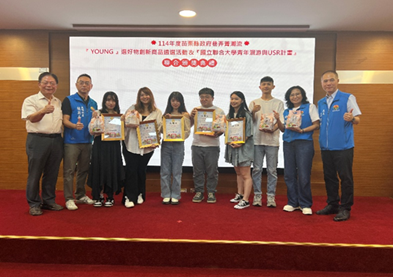
Figure 7: Joint Achievement Presentation of the Youth Returning Workshop and the University Social Responsibility Practice Project.
3. Practicing Social Care
Three social care micro-credit courses were offered, assisting social welfare institutions by integrating external resources to help families with impoverished individuals with intellectual disabilities raise funds and essential supplies, reducing their dual burdens of caregiving and financial pressure. Students were also led into the streets of Miaoli City to conduct neighborhood cleaning, improve the urban environment, and interact with homeless individuals, gaining insight into the lifestyles of different social groups and fostering respect for each group’s way of living.
Faculty and students from the Department of Information Management developed projects in response to smart healthcare needs, exploring how technology can advance healthy living. Among them, the project “AI-Assisted Muscle Strengthening System for Older Adults: Applications of Dynamic Loading and Intensity Adjustment Design” received the “Innovation Thinking Award” at the 2025 USR Smart Healthcare Innovative Technology Application Competition. Another project, “Food Choice Transparency: Intelligent Hidden Ingredient Identification App Design for Vegetarians,” received an Honorable Mention and the “Sustainable Net Zero Award” at the 2025 Fifth Living Lab Project Awards (see Figure 8).
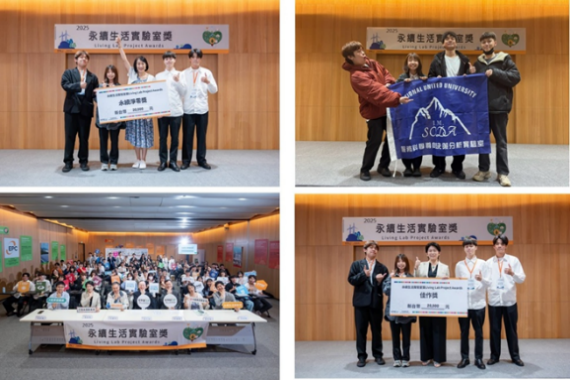
Figure 8: Faculty and Students of the Department of Information Management Receiving
Honorable Mention and the “Sustainable Net Zero Award” at the 2025 Fifth Sustainable Living Lab Project Awards.
4.Promoting University Social Responsibility (USR)
To encourage active engagement by faculty and students in university social responsibility initiatives, the university established a diversified incentive mechanism, including derivative project awards, public recognition, consideration in promotion reviews, and flexible salary incentives. This year, three faculty members received flexible salary subsidies totaling 180,000.
Based on local needs, the university cultivated strong partnerships with local communities. This year, faculty, students, and local residents were led to Gongguan and Tongluo for USR visits, allowing participants to gain close-up understanding of community industry structures, cultural features, and environmental conditions, thereby strengthening stakeholders’ understanding of local issues and willingness to participate.
[Academia-Industry Collaboration]
1. “Strengthening Intellectual Green and Orange Technologies” Industry Research Competencies
Anchored in institutional development, the university promoted featured research and cross-disciplinary industry-government-academia cooperation, implementing four projects under the Veterans-United Program (Veterans General Hospital and National United University) in 2025 and securing three projects for 2026.
The university actively promoted interaction across industry, government, and academia and cross-disciplinary exchange by establishing the “Guidelines for Incentives and Subsidies for Promoting Industry-Government-Academia Cooperation,” which provide awards and subsidies for faculty and students participating in such projects. In 2025, a total of 22 faculty members and 78 students received awards or subsidies.
2. Enhancing Industry-Academia Links
In cooperation with the Taoyuan-Hsinchu-Miaoli Regional Branch of the Workforce Development Agency, Ministry of Labor, the university held career-development lectures for students.
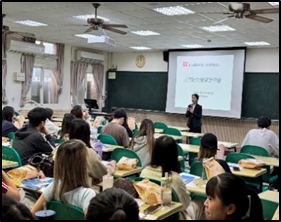
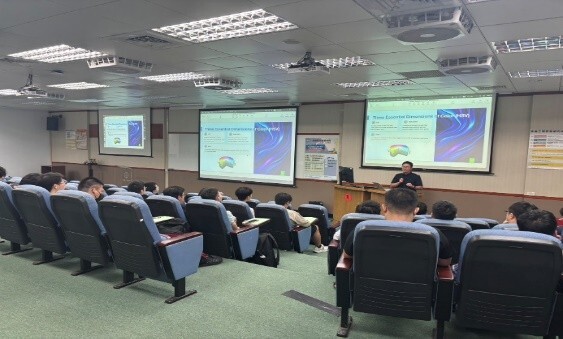
During the Internship Month activities in 2025, seven sessions were held, which includes two career assessments and five employer recruitment briefings, providing in-class promotional sessions delivered to 17 classes.
A total of 767 student registrations, with 27 participating employers providing 115 categories of job openings and 669 positions.
 |
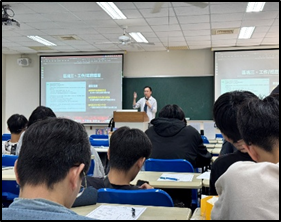 |
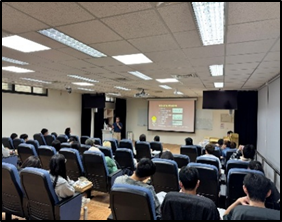
| Figure 9: 11/03/2025 – Recruitment Briefing – Ta Chen Construction & Engineering Corp. |
Figure 10: 11/05/2025 – Internship Résumé Review Seminar – Instructor Kuo Chang-En |
 |
 |
| Figure 11: 11/11/2025 – Recruitment Briefing – Law Insurance Broker Co., Ltd. |
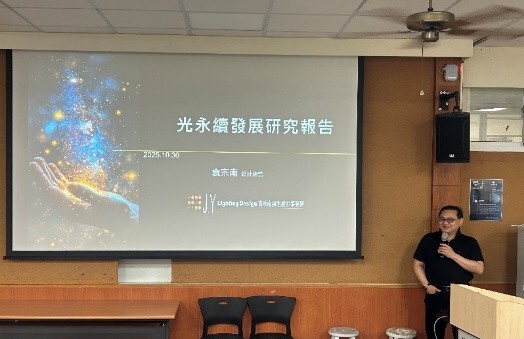
Figure 12: Industry Expert Lecture “Optical Sustainable Development Research Report.” |
The university actively promoted industry-academia interaction by organizing a variety of activities, including lectures by practicing engineers, industry forums, and industry-topic lectures. In 2025, a total of 50 events were held with more than 1,500 student participants, strengthening students’ understanding of industry trends and practical application skills.
In response to digital transformation trends driven by the rapid development of artificial intelligence (AI), the university promoted the “Industry Professional Assessment System (IPAS),” helping university faculty, staff, students, and external industry professionals understand and participate in the “AI Application Planner” Competency Assessment. In 2025, a total of 25 individuals registered to take the assessment so as to enhance their workplace competitiveness and practical digital application capabilities, which in turn contributes to the establishment of an education system integrating learning and application and reinforcing campus AI literacy and industry linkages.
The College of Engineering and Science and the College of Management collaborated with the government to launch the “INTENSE Program.” In the 2026 Academic Year, the Department of Chemical Engineering will offer a Smart Manufacturing Program (50 students); the Department of Civil and Disaster Prevention Engineering will offer a specialized program (20 students); and the Department of Business Management will offer a specialized program (30 students). By integrating program courses with corporate internships, these programs facilitate students’ alignment with industrial practice and strengthen industry–academia cooperation outcomes.
3. Strengthening Industry-Academia Training
To meet industry needs and future development trends, the university encouraged faculty and students to enter industrial settings for practical exposure. Ten industry visits were conducted in 2025, with a combined total of more than 200 faculty and students.
Additionally, to cultivate students’ problem-solving abilities, students were encouraged to conduct project-based practical work addressing industry problems, involving solution design and project implementation. In 2025, more than 14 students participated.
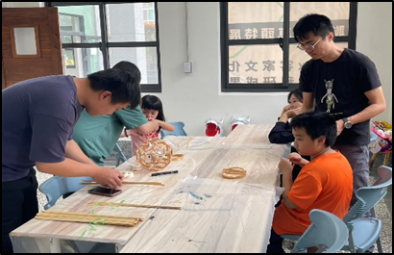
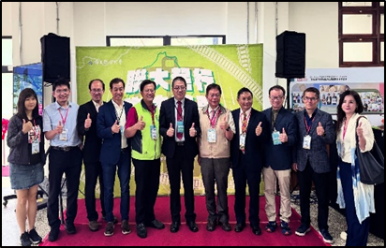
The university collaborated with Taiwan Railway Corporation to establish the “NUU Industry–Academia Cooperation Pavilion” at the Miaoli Railway Museum, which was officially inaugurated on April 25, 2025. The opening ceremony was attended by Chairperson Ku Hsiu-Fei of the Hakka Affairs Council and General Manager Feng Hui-Sheng of Taiwan Railway, demonstrating the results of industry–government–academia cooperation. The pavilion, themed “Start with TR, Nurture Miaoli with NUU,” integrates USR, Hakka culture, and research results. Since its opening, it has become a new hub for local exchanges. The “Dragon Bombing – Dragon-Making Experience Course” launched by the pavilion received widespread acclaim. Social media platforms (IG and FB) have collectively surpassed 842 followers, demonstrating the continued expansion of brand influence. In addition, the pavilion collaborated with the Miaoli County Industrial Association to organize a 50th Anniversary Special Exhibition, deepening academic–industry linkages and fully showcasing the university’s accomplishments in promoting local revitalization and fulfilling social responsibility.
 |
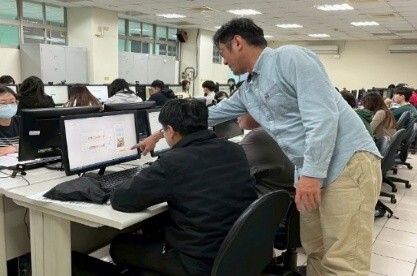 |
| Figure 13: MOU Program Activity“TSMC Semiconductor Program.” |
Figure 14: Industry Talent Training Workshop “AI Application Planner.” |
 |
 |
| Figure 15: NUU Pavillion – “Dragon Bombing – Dragon-Making Hands-on Teaching Session.” |
Figure 16: NUU Pavillion – “Group Photo at the April 25 Opening Ceremony.” |
[Enhancing Public Access to Higher Education]
1. Improving Support for Disadvantaged Students
The university provided comprehensive support for disadvantaged students from the point of admission to the period of study. At the admission stage, the university expanded opportunities through multiple pathways, adjusted evaluation criteria, and strengthened promotions. During the period of study, various financial-aid programs were used to promote “learning in place of part-time work,” effectively enhancing students’ learning motivation and academic performance. Career counseling was strengthened in combination with UCAN to help students develop personalized plans. For disadvantaged students, the university provided one-on-one advising, industry linkage opportunities, 15 career-development activities, as well as supplementation of resume and interview courses, which effectively enhanced competitiveness of the students while also demonstrated the effectiveness of the university’s comprehensive support.
2. Promoting Inclusivity and Prosperity Across Diverse Groups
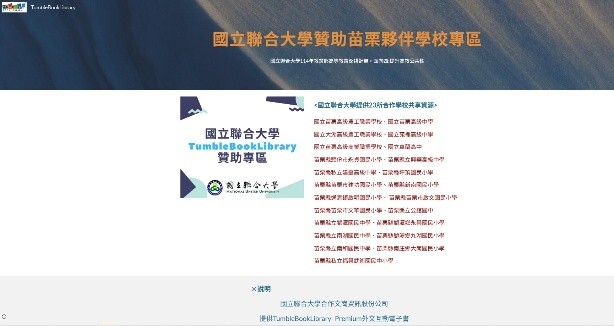
Building on the empowerment function of the New Immigrants Children in Taiwan (NICIT) Club, the university successfully trained five second-generation immigrant students as second-generation lecturers and held 40 multicultural activities to promote shared prosperity among second-generation groups. The Indigenous Student Resource Center held 29 indigenous cultural events and co-organized the “International Lubuw Forum” with the Miaoli County Government, attracting 290 participants. Through deep engagement with local Indigenous communities, the university strengthened students’ cultural identity and encouraged students to challenge stereotypes through multimedia production. In addition, by subscribing to the “TumbleBookLibrary” foreign-language platform, expanding library holdings, and organizing diverse book exhibitions, e-books were shared with 23 schools in Miaoli. A literary trail reading activity was also conducted to deepen engagement with local literature and promote cultural inclusion.
 |
 |
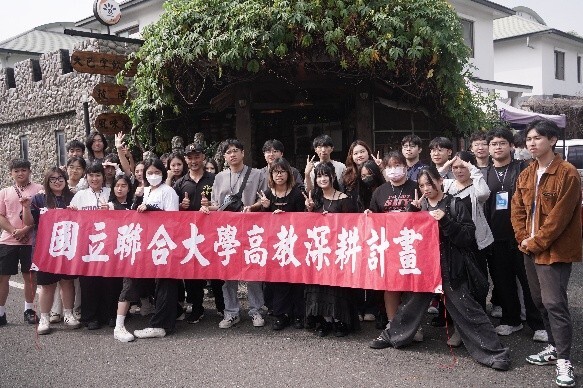
| Figure 17: 2025 Career Exploration x Startup Enterprise Visit Activity, Integrating Indigenous and NICIT Groups to Demonstrate Ethnic Co-Prosperity |
Figure 18: Starting 2025, Foreign Language E-Books Can Now Be Rented Through “TumbleBookLibrary” Platform Across 23 Schools in Miaoli. |
3. Fulfilling Institutional Transparency
In promoting the university as a community-oriented campus, the university held the NUU OPEN HOUSE campus open day, attracting nearly 200 local residents and high school and vocational students. The university also produced and promoted three “Five Senses of NUU” promotional videos, disseminated across 20 high-traffic locations throughout Miaoli. Meanwhile, to ensure the accessibility of campus information systems, the bilingual Rpage website and a WCAG-compliant accessible website were completed to ensure open access to information for all groups.
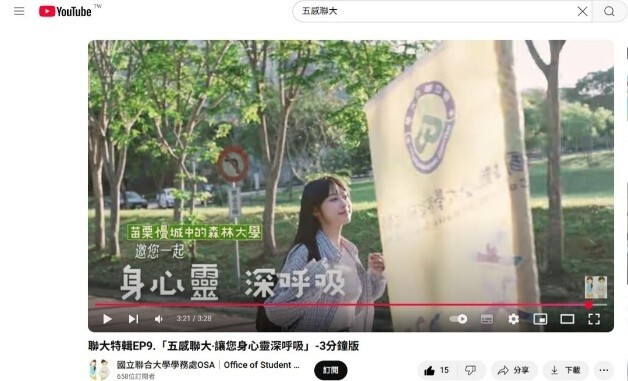
Figure 19: Introducing Key University Information to